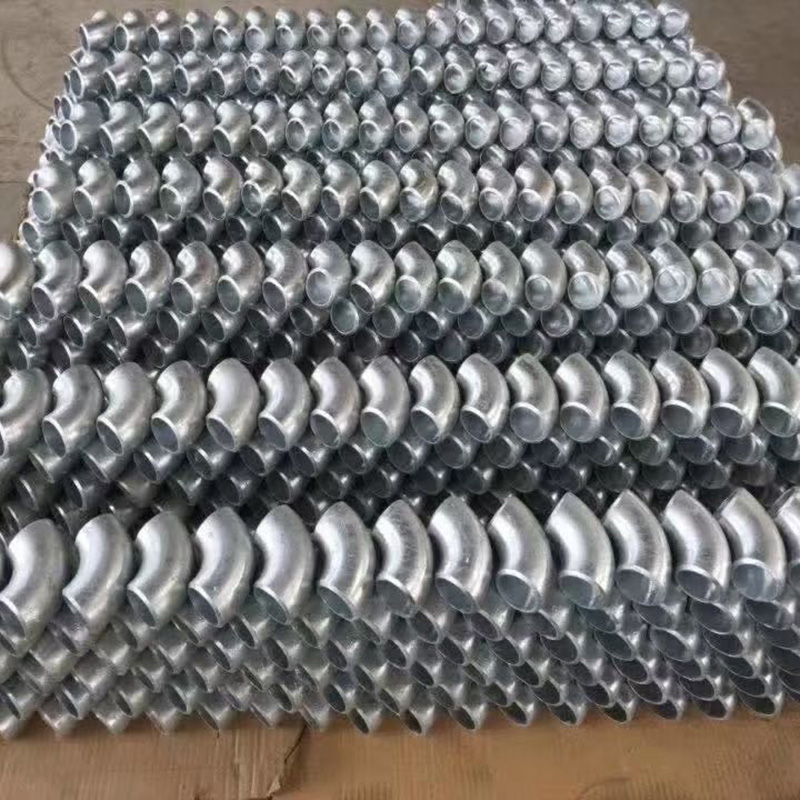
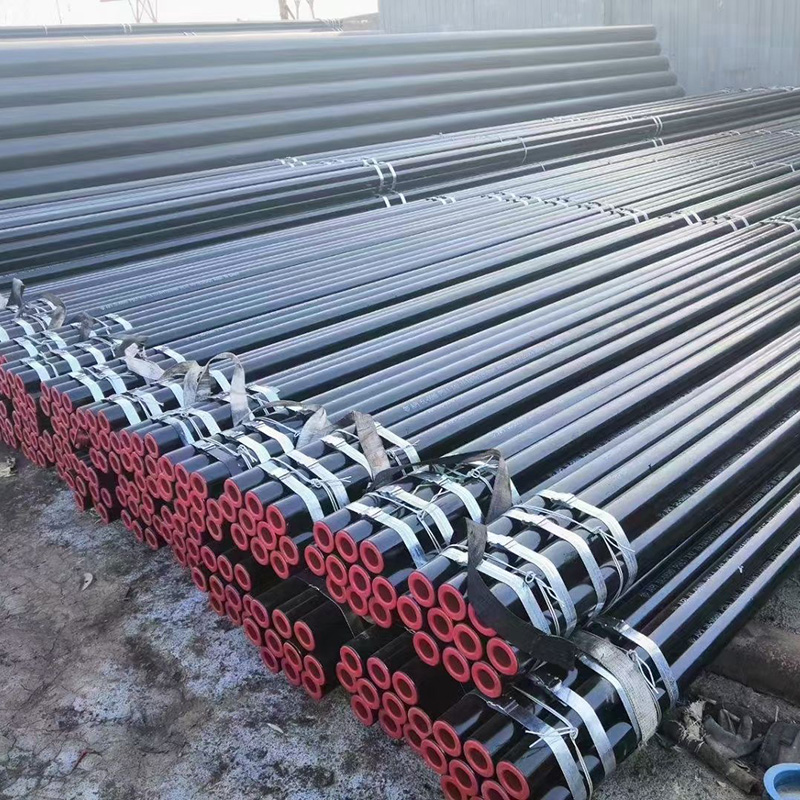
**High-Quality ASME B16.9 Tee Fittings Set New Standards in Industrial Pipework Solutions**In the ever-evolving realm of industrial piping systems, the demand for reliable, efficient, and standardized components has never been greater. Among these critical components, tee fittings play an indispensable role in ensuring smooth fluid flow and system integrity. Recently, advancements and increased adoption of tee fittings fabricated according to the ASME B16.9 standard have significantly influenced the market, offering enhanced performance and broader application possibilities.ASME B16.9 tee fittings are manufactured with precision to meet stringent dimensional and material specifications that guarantee compatibility, durability, and safety in various piping configurations. As integral junctions where pipelines diverge or converge, these tee fittings must withstand mechanical stresses, corrosion, and extreme temperature variations without compromising functionality.The ASME B16.9 standard, established by the American Society of Mechanical Engineers, is recognized worldwide for setting uniform dimensions and tolerances for factory-made wrought steel butt-welding fittings. This includes elbows, tees, reducers, and caps, ensuring interoperability and facilitating seamless integration across multiple industries such as oil and gas, petrochemical, power generation, and water treatment.One of the key features of ASME B16.9 tee fittings is their butt-welding design, which provides superior strength and leakage resistance compared to threaded or socket weld alternatives. The precise manufacturing process involves shaping high-quality steel into tees that conform accurately to specified radii and wall thicknesses, thereby enabling robust joint designs. This manufacturing accuracy is critical for maintaining pipeline integrity under high pressures and varying temperature conditions.Moreover, these fittings accommodate various pressure classes and material grades, including carbon steel, stainless steel, and alloy steel variants. This versatility allows engineers and designers to select the most appropriate tee fitting based on the operational environment, chemical exposure, and stress requirements. For instance, stainless steel tees provide excellent corrosion resistance in harsh chemical environments, while carbon steel options offer cost-effective solutions for less demanding applications.Industry professionals highlight that implementing ASME B16.9 tee fittings can lead to significant long-term benefits, including reduced maintenance costs, minimized downtime, and enhanced safety. Properly manufactured and installed, these tees contribute to an overall piping system’s efficiency by ensuring smooth directional changes in fluid flow and reducing turbulent conditions that may otherwise cause wear or system inefficiencies.The importance of sourcing tee fittings from reputable manufacturers who adhere to strict quality control measures cannot be overstated. Advanced production techniques, including automated welding and precision machining, ensure the final product meets or exceeds industry standards. Additionally, these fittings undergo rigorous testing protocols such as non-destructive examinations, hydrostatic pressure tests, and dimensional inspections before reaching the end user.Innovations in manufacturing have also led to the availability of custom-made ASME B16.9 tee fittings, tailored to suit unique project specifications and special application needs. This customization capability opens new horizons for complex pipeline designs, where standard fittings may fail to meet spatial or flow requirements.To meet the growing global demand, experienced companies specializing in industrial pipe fittings have expanded their product portfolios to include a comprehensive range of ASME B16.9 tee fittings. These companies commit to providing high-grade materials, stringent quality assurance, timely delivery, and technical support to assist clients in selecting the most suitable fittings for their projects.In addition to quality and compliance, environmental considerations are shaping the production and distribution processes of tee fittings. Manufacturers are increasingly adopting sustainable practices, such as reducing waste during fabrication, utilizing eco-friendly coatings, and optimizing logistics to lower carbon footprints. These efforts align with global sustainability goals and resonate well with clients seeking responsible supply chain partners.Looking ahead, the market for ASME B16.9 tee fittings is expected to grow steadily, driven by ongoing infrastructures expansions, modernization of existing pipelines, and heightened safety regulations worldwide. As industries continue to demand robust, versatile, and certified components, tee fittings compliant with internationally recognized standards will remain cornerstone elements in pipeline engineering.**Company Profile**Operating at the forefront of industrial piping solutions, [Company Name] has established itself as a trusted provider of high-quality pipe fittings, including a comprehensive range of ASME B16.9 tee fittings. With years of expertise and a dedicated team of engineering professionals, the company offers products that combine durability, precision, and compliance with global standards.[Company Name] boasts a state-of-the-art manufacturing facility equipped with advanced machinery and quality control systems designed to produce and inspect fittings meticulously. Their commitment to excellence is reflected in the rigorous testing processes that each fitting undergoes, ensuring optimal performance in demanding industrial applications.Beyond manufacturing, [Company Name] provides tailored services including product customization, technical consultation, and after-sales support. This customer-centric approach enables clients across various sectors such as oil and gas, chemical processing, power generation, and municipal waterworks to implement reliable piping systems that meet their unique requirements.Sustainability is also a key pillar of [Company Name]’s operational philosophy. The company actively pursues environmentally responsible manufacturing practices and engages in continuous improvement initiatives aimed at reducing resource consumption and environmental impact.With a robust supply chain network and commitment to timely deliveries, [Company Name] is well-positioned to serve local and international clients seeking premium ASME B16.9 tee fittings. By combining quality, innovation, and service excellence, the company contributes significantly to advancing industrial piping infrastructure worldwide.**Conclusion**The adoption of ASME B16.9 tee fittings is a testament to the industry's pursuit of standardized, reliable, and efficient piping components. Their critical role in ensuring seamless fluid direction changes while maintaining system integrity underlines their importance across multiple industrial sectors. Supported by experienced manufacturers offering high-quality products and services, the future outlook for these tee fittings remains robust, catering to the evolving needs of modern infrastructure and industrial projects.
Read More